Breaking Barriers: Women’s Sports and Their Unique Contributions
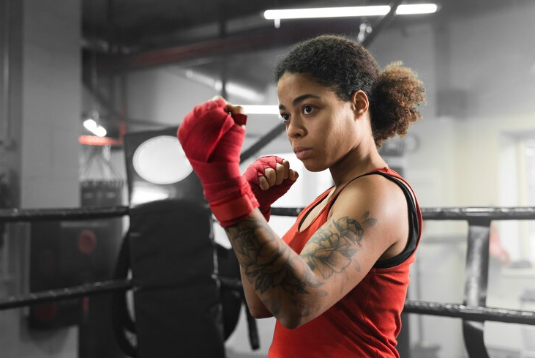
Women’s sports have brought unique disciplines and styles, enriching the global sports culture. Synchronized swimming and rhythmic gymnastics stand out as sports where women’s teams set high standards with grace and technical skill, often unseen in other arenas. Spectator coverage is breaking records - women's sports have made a sharp leap forward, opening up new horizons in the sports industry. This is even evident from bookmakers' data - the number of people interested in betting on women's sports is steadily growing every year. The arrival of active betting on certain competitions shows the active involvement of viewers in the process and the presence of real demand. According to data, the number of bettors on women's sports among those who have chosen the MelBet app download is growing annually by 20%. Experts know that a wave of professionally knowledgeable sports cappers is followed by a large wave of mass viewers, which means that women's sports are expecting an increase in popularity. Additionally, women have pioneered historically male-dominated sports, from football to wrestling, breaking stereotypes with each match. By 2012, women had participated in every Olympic sport category, a landmark of progress that only recently included boxing, which women had first competed in at the London Olympics in 2012.Understanding the Problem: Hidden Numbers and Staggering Statistics
Gender-based violence in sports includes various harmful actions like harassment, psychological abuse, and physical or sexual violence. These behaviors stem from power imbalances and unchecked aggression in sports environments, impacting athletes, especially women and young girls, who face unique risks. Often, violence begins subtly through verbal harassment or intimidation and escalates if not addressed, creating hostile environments that discourage female athletes from speaking up. Statistics reveal the extent of the problem, indicating high rates of abuse:- 21% of female athletes experienced sexual abuse.
- Only 7% of cases are reported.
- 87% of online abuse targeted women in the Tokyo 2020 Olympics.
- Psychological abuse precedes physical violence in most cases.
 Freepik
Spotlight on Africa: Challenges Facing Female Athletes
In many African countries, female athletes face unique hurdles, from limited access to sports facilities to societal stigma. In some regions, women participating in sports may be seen as challenging traditional roles, which creates additional social pressures. Moreover, inadequate policies for reporting abuse mean that cases often go unaddressed. Financial constraints also impact African women in sports, as many athletes lack sponsorship, forcing them to rely on personal resources. Studies show that limited healthcare access for female athletes in rural areas also heightens injury risks, leaving many without adequate treatment options.African Icons in Action: Athletes Leading the Fight Against Gender Violence
Both South Africa’s Caster Semenya and Kenya’s Tegla Loroupe have gained recognition at the global level and are actively raising their voices against gender violence (they are, by the way, not only activists but also talented athletes continuing their careers - so you can always bet on them in the Melbet sports live). A middle-distance runner who has won the Olympics and other competitions, Semenya, has been outspoken about issues of equity and security, especially for women in sports. A former world-class marathoner Loroupe helps child athletes at risk and those abused. Popular Moroccan footballer Nouhaila Benzina, another person, talks about sports for women's safety in North Africa. It is precisely these people, as experts say in their research, who should occupy leadership positions today in order to achieve the set goals of creating a comfortable environment. The most valuable thing about their work is that their voice is the voice of women's sports, without intermediaries. They understand the root of the problem better than others and know how to fight it.UNESCO’s Fit for Life Campaign: Global Steps Toward Safer Sports
Since 2019, UNESCO has had a Fit for Life program - a project to combat social problems through sports. Initially intended to combat the consequences of COVID-19, today, it focuses on equality and empowerment. And, of course, it could not ignore the issue under discussion. One of the targets to be achieved within this initiative is to make the environment of women’s sports free from violence, with regard to gender-based violence in particular - more details about the program can be read in the report. it for Life involves governments, sports bodies, athletes, and activists in creating comprehensive, survivor-focused policies. This builds up on existing collaborations with UN Women that explain programs, resource assistance, as well as activities for advocacy to promote safety in sports.UNESCO’s 10-Point Call for Action: Key Steps for Safer Sports
In an effort to address these issues, UNESCO issued a 10-point Call for Action under Fit for Life, which, among other things, aims at ensuring safety in sports:| № | Title | Comment |
| 1 | Centralized Safeguarding Framework | Establish a unified system for consistent safety standards globally. |
| 2 | Survivor-Centered Policies | Design policies that prioritize survivors’ rights and well-being. |
| 3 | Mandatory Reporting Mechanisms | Develop accessible, secure systems for reporting incidents. |
| 4 | Education and Awareness Programs | Implement training to help recognize and prevent abuse. |
| 5 | Accountability Measures | Enforce strong consequences for perpetrators. |
| 6 | Resource Allocation | Allocate funds and resources to support safeguarding practices. |
| 7 | Research and Data Collection | Collect and document as many instances of violation of established rules as possible. |
| 8 | Partnership with Media | Work with the media to increase public and internal awareness. |
| 9 | Regular Policy Review | Continuously update policies to address new challenges. |
| 10 | Support Networks for Survivors | Create accessible support and counseling services for survivors of violence. |
 Freepik