
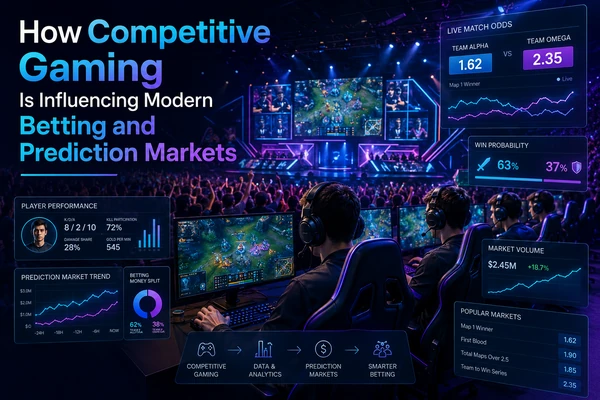
 There is no true offseason for esports. Every day, there’s always some event taking place, from online tournaments to regional circuits and global championships. The result of this constant calendar? A passionate fan base not only watches matches but keeps track of team changes, patch notes, and builds debates on their discord channels. These are analytically engaged viewers in a way most traditional sports broadcasters never had to account for.
That culture runs deep. Discussions around performance tools, game mechanics, and competitive advantage are constant — platforms like Lavicheats regularly come up in community debates around what's fair, what's optimal, and where the line sits between skill and edge. It's that obsessive attention to the mechanics of competition that makes esports audiences so different from a casual football crowd.
There is no true offseason for esports. Every day, there’s always some event taking place, from online tournaments to regional circuits and global championships. The result of this constant calendar? A passionate fan base not only watches matches but keeps track of team changes, patch notes, and builds debates on their discord channels. These are analytically engaged viewers in a way most traditional sports broadcasters never had to account for.
That culture runs deep. Discussions around performance tools, game mechanics, and competitive advantage are constant — platforms like Lavicheats regularly come up in community debates around what's fair, what's optimal, and where the line sits between skill and edge. It's that obsessive attention to the mechanics of competition that makes esports audiences so different from a casual football crowd.
How Competitive Gaming Is Influencing Modern Betting and Prediction Markets
Published 11 May 2026
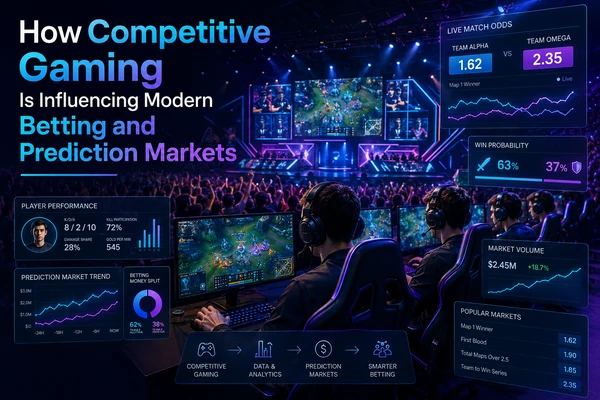
Not long ago, mentioning esports at a sportsbook would get you blank stares. That's changed fast. Counter-Strike 2 finals now pull millions of live viewers, and betting platforms are scrambling to keep up with odds that shift mid-round.
What's driving this isn't just audience size — it's how different competitive gaming is to actually predict.
There is no true offseason for esports. Every day, there’s always some event taking place, from online tournaments to regional circuits and global championships. The result of this constant calendar? A passionate fan base not only watches matches but keeps track of team changes, patch notes, and builds debates on their discord channels. These are analytically engaged viewers in a way most traditional sports broadcasters never had to account for.
That culture runs deep. Discussions around performance tools, game mechanics, and competitive advantage are constant — platforms like Lavicheats regularly come up in community debates around what's fair, what's optimal, and where the line sits between skill and edge. It's that obsessive attention to the mechanics of competition that makes esports audiences so different from a casual football crowd.
There is no true offseason for esports. Every day, there’s always some event taking place, from online tournaments to regional circuits and global championships. The result of this constant calendar? A passionate fan base not only watches matches but keeps track of team changes, patch notes, and builds debates on their discord channels. These are analytically engaged viewers in a way most traditional sports broadcasters never had to account for.
That culture runs deep. Discussions around performance tools, game mechanics, and competitive advantage are constant — platforms like Lavicheats regularly come up in community debates around what's fair, what's optimal, and where the line sits between skill and edge. It's that obsessive attention to the mechanics of competition that makes esports audiences so different from a casual football crowd.