The Loot Box Reward Mechanism
 If you ever played games like Overwatch, League of Legends, CS, or Call of Duty, loot boxes are not new for you. They operate on a principle very similar to casino games: that of luck. When a player buys a loot box, they have no control over the contents, which could range from common items to rare, highly coveted ones. This random factor is strikingly similar to the experience of playing slot machines, where each spin could yield a significant payout or nothing at all.
This rewarding mechanism works incredibly well for the main audience of these games. The profile of iGamers who play loot/gacha games and gamble is very similar. According to research by KTO casino, these players are young and highly connected to technology, favoring mobile gaming experiences, which explains the rise of games like Genshin, Mobile Legends, Arena of Valor, and Honor of Kings. Their primary focus is on entertainment rather than financial gain.
In PS games, loot boxes can be purchased using real money or in-game currency as well. Upon opening, the player receives random items that could be cosmetic (such as skins and avatars) or functional (like weapons and power-ups). While the outcome is random, some games employ mechanics that can slightly increase the chances of obtaining a desired item after purchasing a certain number of loot boxes.
If you ever played games like Overwatch, League of Legends, CS, or Call of Duty, loot boxes are not new for you. They operate on a principle very similar to casino games: that of luck. When a player buys a loot box, they have no control over the contents, which could range from common items to rare, highly coveted ones. This random factor is strikingly similar to the experience of playing slot machines, where each spin could yield a significant payout or nothing at all.
This rewarding mechanism works incredibly well for the main audience of these games. The profile of iGamers who play loot/gacha games and gamble is very similar. According to research by KTO casino, these players are young and highly connected to technology, favoring mobile gaming experiences, which explains the rise of games like Genshin, Mobile Legends, Arena of Valor, and Honor of Kings. Their primary focus is on entertainment rather than financial gain.
In PS games, loot boxes can be purchased using real money or in-game currency as well. Upon opening, the player receives random items that could be cosmetic (such as skins and avatars) or functional (like weapons and power-ups). While the outcome is random, some games employ mechanics that can slightly increase the chances of obtaining a desired item after purchasing a certain number of loot boxes.
Do Loot Boxes Count as Gambling?
The debate over whether loot boxes constitute gambling is ongoing and multifaceted. While some argue that the randomness and monetary investment involved classify them as casino games, others contend that since they do not yield real-world financial returns, they do not meet the legal definition of gambling. However, many players use loot boxes as farms to get special items and characters in order to commercialize their accounts or rare gaming features. A great example is the M4A1 Howl Stattrak CS:GO cosmetic skin, sold to a collector for $130 thousand. It’s important to note that, like gambling, loot boxes involve a risk with the hope of a reward. Several countries have started to regulate loot boxes as they would gambling products, citing concerns over their impact on minors and vulnerable populations. Therefore, players should be aware that looting is not essential to play the game, but only a way to enhance fun. In addition, gaming companies should also be clear about the chances to get loot boxes items and offer more ways to get them by playing or engaging with the community and make the game grow organically instead of just building up a temporary FOMO.Are Gacha and Loot Boxes the Same?
 Although Gacha and loot boxes are pretty similar, they are not exactly the same. Gacha games can many times be free-to-play mobile games that use a monetization model based on randomized rewards. Players spend in-game currency, which can be earned through gameplay or bought with real money, to obtain items of varying rarity.
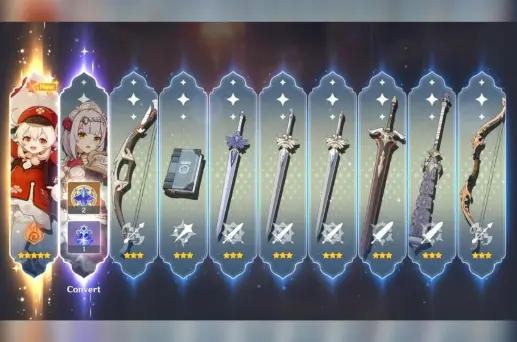
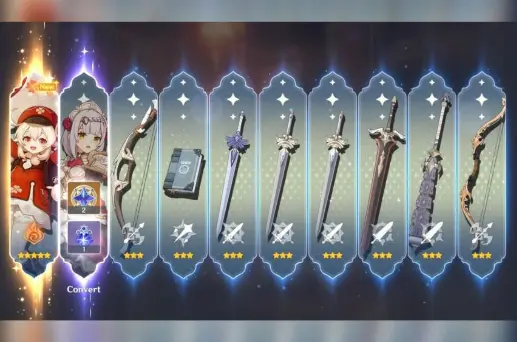
Additionally, the near-miss tactic teases rare items during rolls to make players feel close to getting the desired item, which is something the HoYoverse company does very well by showing players how close they are to raise their chances of winning a desired item/character. It’s no surprise that they have two titles on the most popular gachas of 2024, and were able to raise $567 million with Genshin Impact in the first quarter of 2022 alone.
These games have been greatly compared to gambling, as they rely on randomized rewards to drive engagement and monetization. Research indicates that a large portion of the revenue comes from a small group of high-spending players, known as "whales."
Although Gacha and loot boxes are pretty similar, they are not exactly the same. Gacha games can many times be free-to-play mobile games that use a monetization model based on randomized rewards. Players spend in-game currency, which can be earned through gameplay or bought with real money, to obtain items of varying rarity.
Additionally, the near-miss tactic teases rare items during rolls to make players feel close to getting the desired item, which is something the HoYoverse company does very well by showing players how close they are to raise their chances of winning a desired item/character. It’s no surprise that they have two titles on the most popular gachas of 2024, and were able to raise $567 million with Genshin Impact in the first quarter of 2022 alone.
These games have been greatly compared to gambling, as they rely on randomized rewards to drive engagement and monetization. Research indicates that a large portion of the revenue comes from a small group of high-spending players, known as "whales."